Fertility Testing & Evaluation

Fertility Testing Services in Tennessee

Fertility testing is often the first step in understanding what’s happening beneath the surface, whether you’ve been trying to conceive without success or simply want a clearer picture of your fertility before getting started. For some, that means answering specific questions after months of trying. For others, it’s about planning ahead with more confidence.

At Tennessee Fertility Institute, we provide a supportive, straightforward approach to fertility evaluation, helping you feel informed and comfortable from the very beginning.

We offer comprehensive fertility testing for individuals and couples across Tennessee, including Nashville, Franklin, and the surrounding Davidson and Williamson counties. From initial consultations to targeted diagnostic testing, our team is here to guide you through each step with clarity and personalized care. Schedule an evaluation to better understand your fertility and what comes next.

Fertility Testing for Women

When evaluating female fertility, several key tests are commonly performed, including:

  • Antimüllerian Hormone (AMH) Testing: This test assesses ovarian reserve and indicates the potential for egg production.
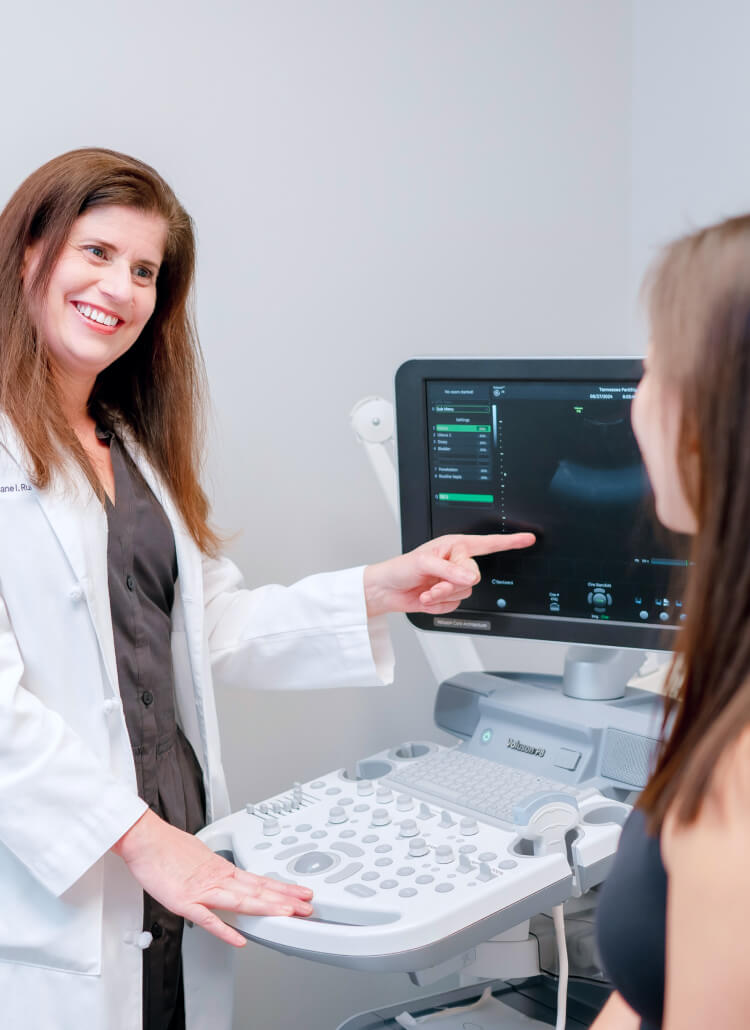
  • Transvaginal ultrasound: This ultrasound provides detailed images of the ovaries and uterus, helping to identify any structural abnormalities.
  • Hysterosalpingogram (HSG): This X-ray procedure checks for blockages in the fallopian tubes, which can affect fertility.
  • Hormone Testing (FSH, LH, Estradiol, Progesterone, Thyroid): Blood work evaluates ovulation patterns and hormonal balance.
  • Saline Sonogram (Sonohysterogram): This specialized ultrasound is used to assess the uterine cavity for polyps or fibroids.
  • Each of these tests plays a crucial role in diagnosing fertility issues.

For more information, please visit our Female Fertility Testing page.

Fertility Testing for Men

When assessing male fertility, several key tests can provide valuable insights into reproductive health, including:

  • Semen Analysis: This test evaluates the quantity and quality of sperm, including motility (movement), morphology (shape), and concentration. It's the primary test for assessing male fertility.
  • Hormone Testing: This involves blood tests to measure hormone levels, such as testosterone and follicle-stimulating hormone (FSH), which play crucial roles in sperm production and overall fertility.
  • Physical Exam: A thorough physical examination can identify anatomical issues or medical conditions that affect fertility.
  • Genetic Testing (when indicated): This is recommended in certain cases of low sperm count or azoospermia (the absence of sperm in semen).

For more detailed information about these tests, please visit our Male Fertility Testing page.

Genetic Testing

Genetic testing allows aspiring parents to gain insights into the genetic health of their embryos before implantation. This can help identify any chromosomal abnormalities or inherited genetic conditions, ultimately leading to more informed decisions regarding pregnancy.

The types of preimplantation genetic testing offered include Preimplantation Genetic Testing for Aneuploidy (PGT-A), which screens for general chromosomal abnormalities, and Preimplantation Genetic Testing for Monogenic Conditions (PGT-M), which tests for specific genetic disorders, as well as Preimplantation Genetic Testing for Structural Rearrangements (PGT-SR), which screens embryos for structural chromosomal abnormalities.

For more information about genetic testing, please visit our Preimplantation Genetic Testing (PGT) page.

Your Fertility Evaluation: What to Expect

During your first fertility evaluation, you can expect personalized, compassionate care in a safe environment where your concerns and questions are prioritized. The visit will typically involve:

  • A comprehensive review of your medical history
  • Discussions about your family goals
  • Initial examinations or tests to gather valuable information (bloodwork, semen analysis, etc.)
  • A clear explanation of findings and recommended next steps

To make the most of your appointment, it's helpful to bring:

  • Any relevant medical records
  • A tracking of your recent menstrual cycles (if applicable) 
  • Notes of any medications or supplements you're currently taking
  • Any questions or concerns you have about your fertility or family-building goals

This evaluation is a collaborative process aimed at gathering the necessary information to guide you through your options with clarity and support, whether that means timed intercourse, fertility preservation, IUI, IVF, or another approach.

Understanding Fertility Testing Costs

Fertility testing costs vary based on the required tests and whether both partners are being assessed. Some basic diagnostic tests may be covered by insurance, while others might incur deductibles or out-of-pocket expenses.

Our financial team will review your insurance benefits and provide an outline of expected costs before moving forward. We also offer resources to help patients understand their financing options and insurance coverage.

For more detailed information, please visit our Fertility Treatment Costs, Financing, and Insurance Coverage pages.

Fertility Testing FAQs

  • Fertility testing involves a series of medical assessments aimed at evaluating a couple's ability to conceive. For women, this may include blood tests to check hormone levels, pelvic exams, and imaging tests like ultrasounds. For men, assessments typically include a semen analysis to assess sperm count and motility. These tests help identify potential fertility issues, allowing fertility specialists to recommend tailored treatments or interventions to improve the chances of conception.

  • You should consider getting a fertility evaluation if you’ve been trying to conceive for over a year without success, or six months if you’re over 35. Other signs include irregular menstrual cycles, known reproductive health issues, or a history of miscarriages. If you or your partner has medical conditions that could affect fertility, such as endometriosis or low sperm count, seeking an evaluation can provide insights and guidance for your next steps. 

  • A fertility evaluation typically includes a thorough review of medical history and sexual history for both partners. Women may undergo blood tests to check hormone levels, ultrasound examinations to assess the ovaries and uterus, and possibly a hysterosalpingography (HSG) to evaluate the fallopian tubes. Men are usually tested through a semen analysis to assess sperm count and quality. Based on individual findings, additional tests, such as genetic testing or other imaging studies, may be recommended.

  • Some fertility tests, such as blood work and semen analysis, are relatively quick to complete. However, other assessments may need to be scheduled at specific times during the menstrual cycle. Generally, the entire evaluation process takes a few weeks from beginning to end. Once the results are available, your doctor will review them with you and discuss the recommended next steps.

  • Preparing for a fertility evaluation is generally straightforward. It’s helpful to come ready to discuss your medical history, including any previous pregnancies, details about your menstrual cycle, and any known health conditions. You should also bring a list of medications or supplements you are currently taking. If a semen analysis is recommended, men may be asked to abstain from ejaculation for a short period beforehand. Your care team will provide specific instructions in advance so you know exactly what to expect.

  • Insurance coverage can vary based on your specific plan and state regulations. While some basic diagnostic fertility tests may be covered, advanced testing or treatments may not be. Our financial counselors are available to review your benefits and explain potential costs, helping you assess your options before proceeding with care.

  • Yes, fertility testing is often done as a shared process. Because both partners can play a role in fertility, evaluating each person at the same time can help identify potential factors more efficiently and avoid delays in care. In many cases, initial testing includes both partners, allowing your care team to develop a more complete picture and recommend next steps that reflect your situation as a couple.

  • After your fertility testing is complete, your physician will review the results and explain their significance. The next steps may involve lifestyle changes, ovulation monitoring, medication, IUI, IVF, or fertility preservation. No matter your unique situation, the objective is always to develop a clear plan tailored to your needs.

  • Yes. Tennessee Fertility Institute provides inclusive fertility testing services for LGBTQ+ individuals and couples. Regardless of your family-building goals, whether they involve donor sperm, donor eggs, gestational surrogacy, or reciprocal IVF, our team is dedicated to offering comprehensive and supportive care.

  • Yes. It's important to undergo fertility testing before freezing eggs or sperm. Ovarian reserve testing, hormone evaluation, and semen analysis will help determine the best strategy and timeline for the process.

Schedule a Fertility Evaluation in Tennessee

If you're ready to take control of your fertility journey, Tennessee Fertility Institute is here to help. Our experienced, compassionate team offers comprehensive fertility testing for individuals and couples in Tennessee. With convenient locations in Nashville and Franklin, we make it easy to access world-class fertility care close to home. Schedule your fertility evaluation today to move forward with clarity, confidence, and a personalized plan designed just for you.